
How Many Decibels Does a Lawn Mower Produce?
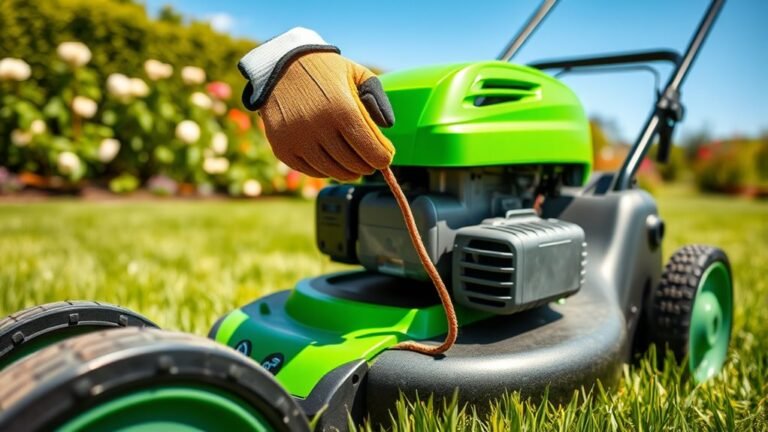
A lawn mower’s noise level depends on its type and conditions. Your typical gas-powered mower produces between 85 and 95 decibels, which can be pretty loud.
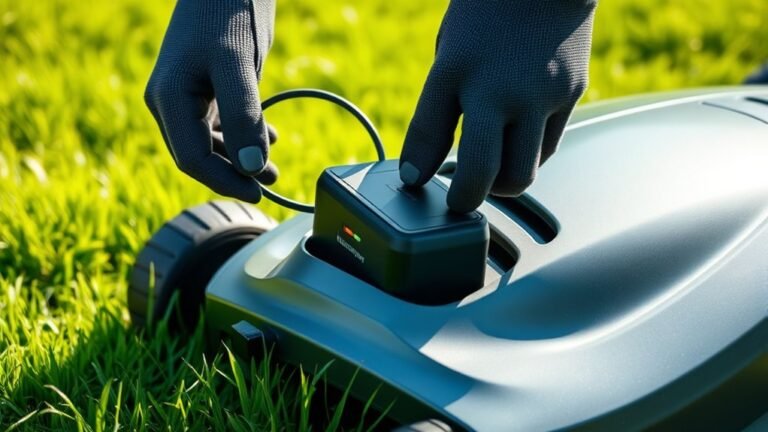
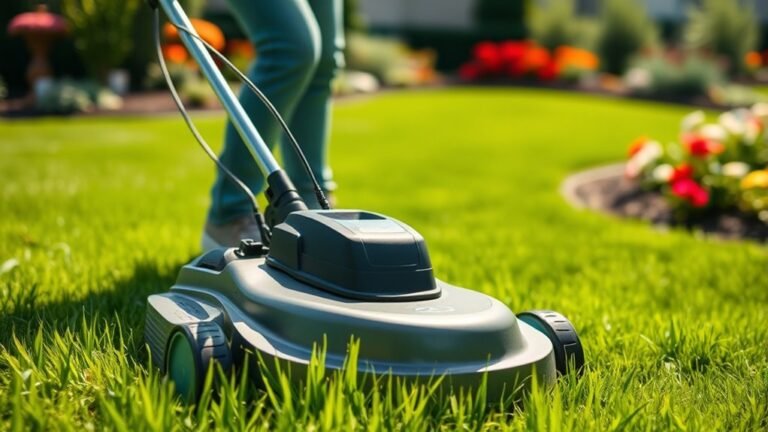
Electric mowers run quieter, usually around 75 to 85 decibels, while robotic mowers are the quietest, often between 55 and 65 decibels.
Riding mowers can exceed 100 decibels.
Terrain, grass thickness, and machine upkeep also impact noise.
If you want to understand what affects mower sound and how to protect your hearing, keep exploring these details.
Decibel Levels of Different Types of Lawn Mowers
Although lawn mowers serve the same purpose, their noise levels can vary widely depending on the type. Gas-powered mowers, for example, typically produce loud sound levels ranging from 85 to 95 decibels due to their engine type and fuel combustion.
Riding mowers can be even louder, sometimes exceeding 100 decibels in sound intensity. In contrast, electric mowers are much quieter, generally operating between 75 and 85 decibels, thanks to their cleaner motor design.
If you want the quietest option, robotic lawn mowers are the way to go—they produce noise levels around 55 to 65 decibels, comparable to a normal conversation. When selecting a mower, understanding these decibel levels helps you balance performance with your tolerance for noise.
Factors Influencing Lawn Mower Noise and Its Impact on Hearing
When you operate a lawn mower, several factors influence the noise it produces, directly affecting your hearing health. Understanding these can help you manage engine noise and protect your ears from harmful decibel levels.
First up, engine size and blade design play a big role. Larger engines naturally generate more sound output. Plus, the shape and speed of the blades affect vibration and noise intensity.
Engine size and blade design significantly influence the noise level and vibration intensity of your lawn mower.
Then, consider terrain impact and grass density. Rough terrain and thick grass make the engine work harder, which causes fluctuations in sound levels and pushes decibel output higher.
Don’t forget about insulation and maintenance. Good insulation and vibration dampening materials can reduce noise. But if your blades are worn, they’ll increase vibration and crank up those decibel levels.
To keep your hearing safe, always wear proper hearing protection when mowing. This is especially important if you’re using loud, high-powered machines.
Conclusion
Now that you know lawn mowers typically roar between 85 and 100 decibels, you can see why protecting your ears is vital—it’s like standing next to a roaring dragon from medieval times!
Remember, prolonged exposure to that noise can harm your hearing over time. So, whether you’re using a gas-powered beast or a quieter electric model, always wear ear protection.
Taking this simple step guarantees your ears stay safe while your lawn stays pristine. Protecting your hearing from lawn mower noise isn’t just smart—it’s essential. After all, those 85 to 100 decibels can cause damage if you’re not careful. So next time you fire up the mower, pop in some earplugs or earmuffs. Your ears will thank you later!